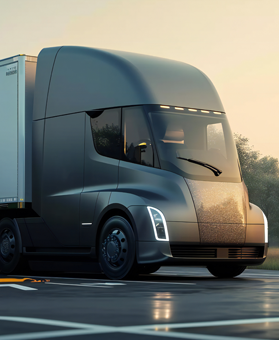
What Should Trucking Companies Know Before Electrifying Their Fleet?
Electrifying a fleet isn't like switching truck brands. It changes how you fuel, where you park, how you
Read MoreOur mission is to be your trusted navigator through the dynamic landscape of ZEV. We'll illuminate their policies with crystal-clear explanations, ensuring you understand the principles that guide their operations. Moreover, we'll unveil the thrilling innovations that make ZEV a trailblazer in its field. Get ready to discover the cutting-edge technologies that set them apart, and understand how these advancements shape not only their products but potentially the industry as a whole.


Welcome to ZEV Help! Your Guide to Zero-Emission Commercial Vehicles
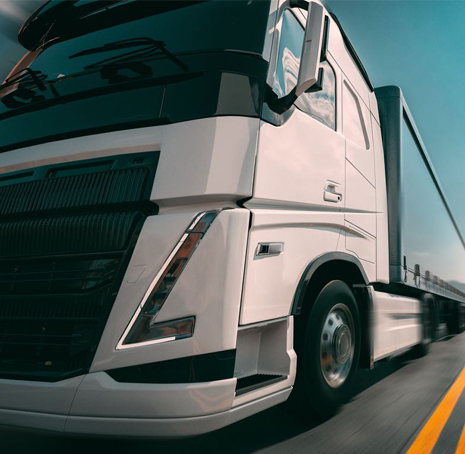
Clear, sourced explanations of the vehicles, regulations, charging, and costs shaping delivery vans, buses, and heavy trucks, so fleets can make informed decisions.


ZEV Help is a free, independent educational resource. We explain zero-emission technology, regulations, and costs for delivery vans, buses, and heavy trucks in plain language, without selling or advocating for any one technology.
Plain-English guides organized around the decisions fleets actually face, from which vehicles fit your routes to what the rules require in 2026.
Delivery vans, box trucks, Class 8 tractors, school and transit buses: where zero-emission fits and where it struggles.
Explore vehicles → 02Depot charging, public truck stations, megawatt charging and utility lead times.
Plan charging → 03Total cost of ownership compared with diesel, and which incentives are still open.
Run the numbers → 04Where federal and California truck rules stand after the 2025–26 changes, and who still faces requirements.
See the tracker → 05A step-by-step roadmap and a 10-step checklist for fleets considering zero-emission trucks.
Start planning → 06Common claims for and against electric and hydrogen trucks, tested against the evidence.
Check the claims →Federal and state policy shifted sharply in 2025 and 2026. Here is the short version.
Not available for vehicles acquired after September 30, 2025.
EPA finalized repeal of the 2009 endangerment finding and vehicle GHG standards, including Phase 3, in February 2026. Legal challenges are pending.
Congress revoked waivers for Advanced Clean Trucks and Omnibus Low NOx in 2025. Private fleet parts of Advanced Clean Fleets are not enforced; public fleet rules still apply.
California HVIP standard funding is closed (drayage and public fleets open). Massachusetts MOR-EV Trucks is open.
Last reviewed October 2026. See Are fleets required to buy electric trucks? and state incentives.
Interactive tools built on public data. No sign-up required.
Compare diesel, battery-electric and hydrogen trucks over the life of the vehicle.
Open calculator → kWEstimate chargers and power for overnight fleet charging.
Size your depot → ⌖Live U.S. DOE data on public stations that can serve heavy-duty trucks.
Open map → VSTesla Semi, Freightliner eCascadia and Volvo VNR Electric side by side.
Compare models →


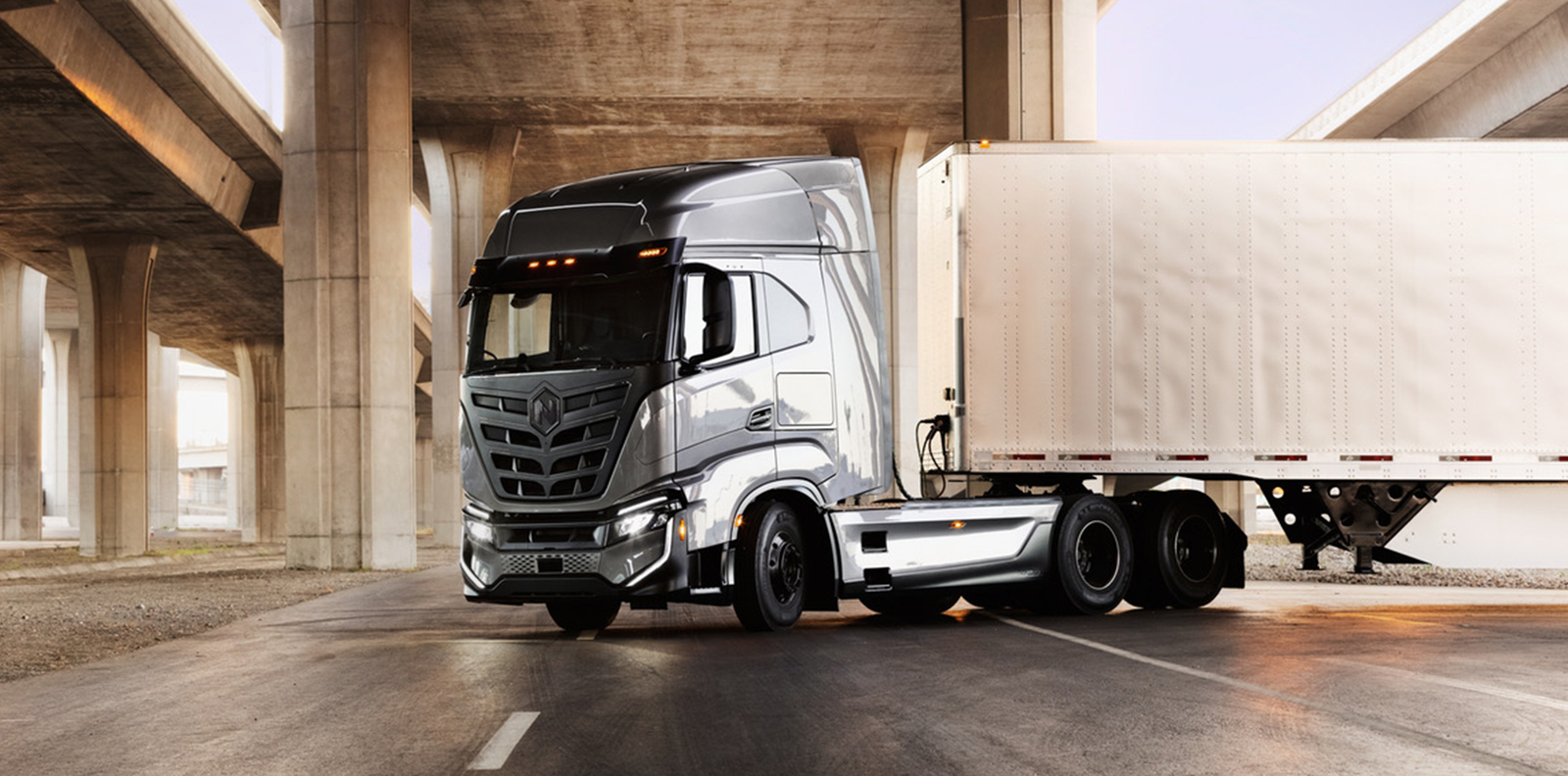
Electrifying a fleet isn't like switching truck brands. It changes how you fuel, where you park, how you
Read MoreMegawatt charging is a new class of ultra-high-power charging designed for heavy-duty electric trucks and buses. The industry
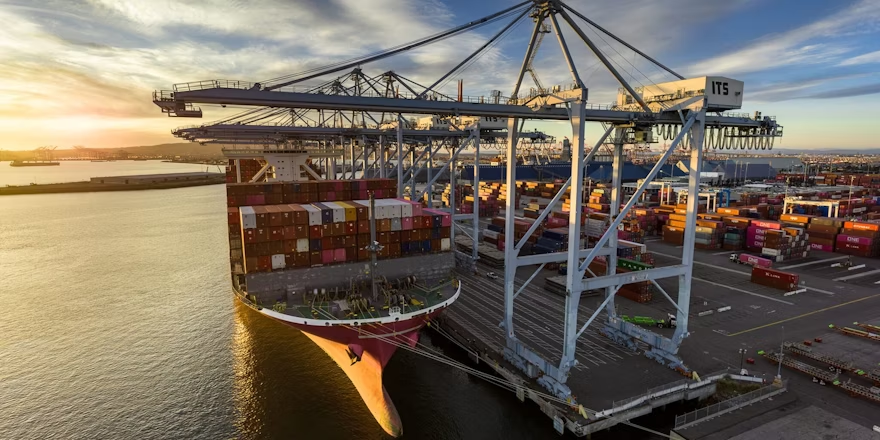
Read MoreA Class 8 battery-electric tractor typically weighs several thousand pounds more than a comparable diesel tractor, mostly because
Read MoreThe Advanced Clean Trucks (ACT) regulation is a California Air Resources Board (CARB) rule that requires truck manufacturers
Read MoreTechnically, sometimes. Practically, rarely. Many electric trucks use the same CCS1 plug as electric cars, so they can
Read MoreAn electric semi-truck costs far more to buy than a diesel, and can cost less to run. Whether
Read More