Our mission is to be your trusted navigator through the dynamic landscape of ZEV. We'll illuminate their policies with crystal-clear explanations, ensuring you understand the principles that guide their operations. Moreover, we'll unveil the thrilling innovations that make ZEV a trailblazer in its field. Get ready to discover the cutting-edge technologies that set them apart, and understand how these advancements shape not only their products but potentially the industry as a whole.
Subtotal $0.00

View cartCheckout

Class 8 Electric Vehicles

  • Home
  • Class 8 Electric Vehicles

Class 8 Electric Vehicles

Class 8 battery-electric trucks are now offered by every major North American truck maker. This page compares the leading models side by side using manufacturer-advertised specifications, and explains how to translate brochure numbers into real-world planning.

About these specs: figures are manufacturer-advertised at launch and vary by configuration, payload, terrain, and weather. Real-world range is usually lower than advertised. Confirm current specifications, pricing, and availability with the manufacturer or your dealer.

Compare up to three trucks

The models at a glance

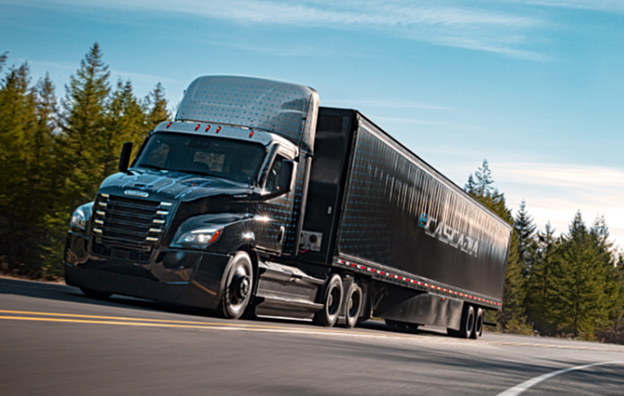
Freightliner eCascadia battery-electric Class 8 tractor
In production

Freightliner eCascadia

Range
155–230 mi
Battery
Up to 438 kWh
Charging
~80% in 90 min (DC, CCS1)
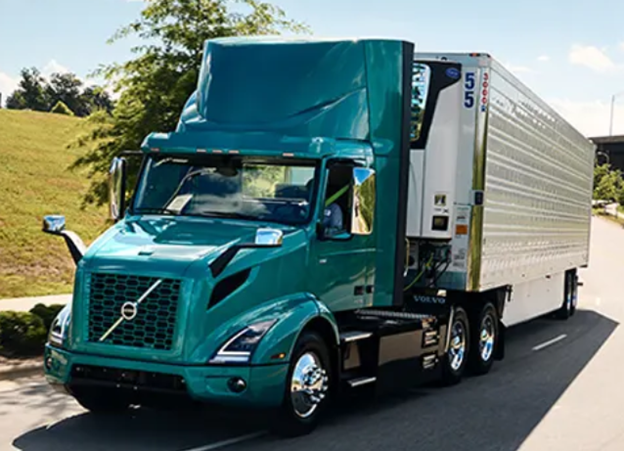
Volvo VNR Electric battery-electric Class 8 truck
In production

Volvo VNR Electric

Range
Up to 275 mi
Battery
375 or 565 kWh
Charging
250 kW DC (CCS1); ~80% in 90 min
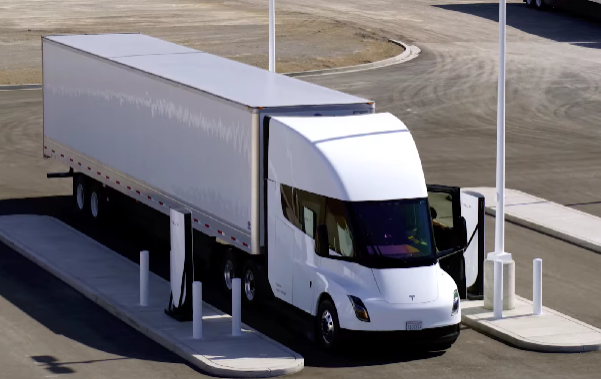
Tesla Semi battery-electric Class 8 tractor
Limited production

Tesla Semi

Range
Up to 500 mi (est.)
Battery
Not published
Charging
Up to 60% in 30 min (1.2 MW Megacharger)
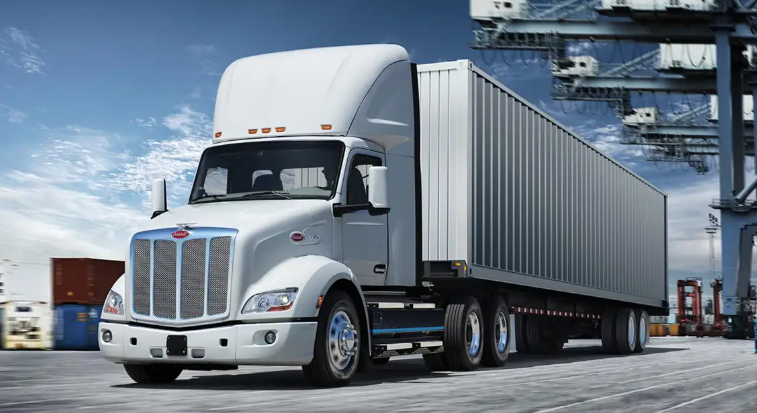
Peterbilt Model 579EV battery-electric Class 8 truck
In production

Peterbilt 579EV

Range
Up to 150 mi
Battery
400 kWh
Charging
~3 hours minimum (DC)
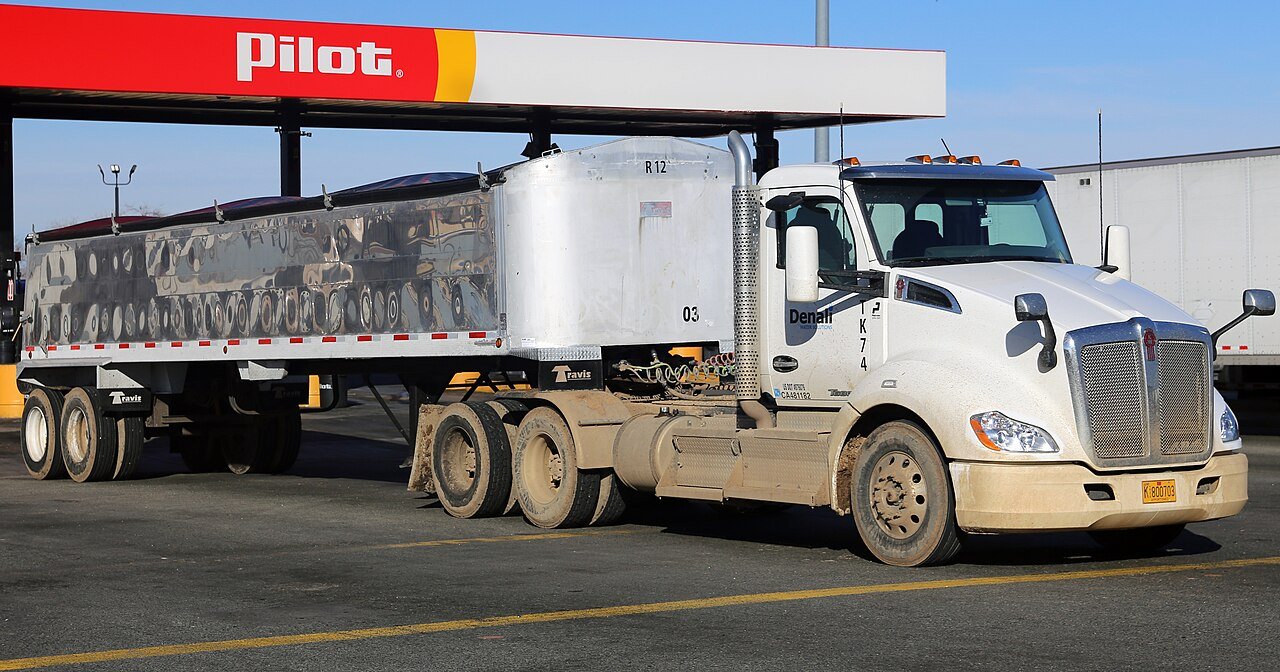
White Kenworth T680 Class 8 tractor. The battery-electric T680E uses the same cab.
In production

Kenworth T680E

Range
Up to 150 mi
Battery
396 kWh
Charging
Up to 120 kW DC; 18–36 h AC

Diesel T680 shown; the T680E shares this cab. Photo: Mr.choppers, CC BY-SA 3.0, via Wikimedia Commons.

Lion8Photo not available
Maker restructured

Lion8 Tractor

Range
Up to 275 mi
Battery
630 kWh
Charging
~1.5 hours minimum (DC)

Lion Electric entered creditor protection in December 2024 and was restructured in 2025. Check with the company on truck availability, parts, and service before buying.

Full specification table

TruckStatusAdvertised range (mi)Battery (kWh)DC chargingImplied kWh/mile*
Freightliner eCascadiaIn production155–230Up to 438~80% in 90 min, CCS11.9
Volvo VNR ElectricIn productionUp to 275375 or 565250 kW, CCS1; ~80% in 90 min2.1
Tesla SemiLimited productionUp to 500 (est.)Not publishedUp to 60% in 30 min, 1.2 MW Megacharger–
Peterbilt 579EVIn productionUp to 150400~3 h minimum2.7
Kenworth T680EIn productionUp to 150396Up to 120 kW DC2.6
Lion8 TractorMaker restructuredUp to 275630~1.5 h minimum2.3

*Implied energy use = largest advertised battery ÷ longest advertised range. It's a rough comparison, not a measured figure: usable battery capacity is lower than total capacity, and real-world use depends on load, speed, terrain, and temperature.

Turning brochure specs into a real plan

  • Plan on less than advertised range. Heavy loads, highway speeds, hills, and hot or cold weather all cut range. Many fleets plan routes at 70–80% of the advertised figure until they have their own data.
  • A common planning figure is about 2 kWh per mile for a loaded Class 8 battery-electric tractor. Use your own telematics as soon as you have it.
  • Charging speed depends on the charger, not just the truck. A truck that accepts 250 kW will charge much slower on a 50 kW charger. See our Fleet Charging Guide.
  • Weight matters. Battery-electric tractors weigh more than diesels. Federal law allows up to 2,000 lb extra on the Interstate system. See Operating Zero-Emission Trucks.

See also: Zero-Emission Truck Models Directory · Live heavy-duty station data · 2026 Incentives · How battery-electric Class 8 trucks work

Specifications as advertised by each manufacturer. Last reviewed October 2026.