


Subtotal $0.00
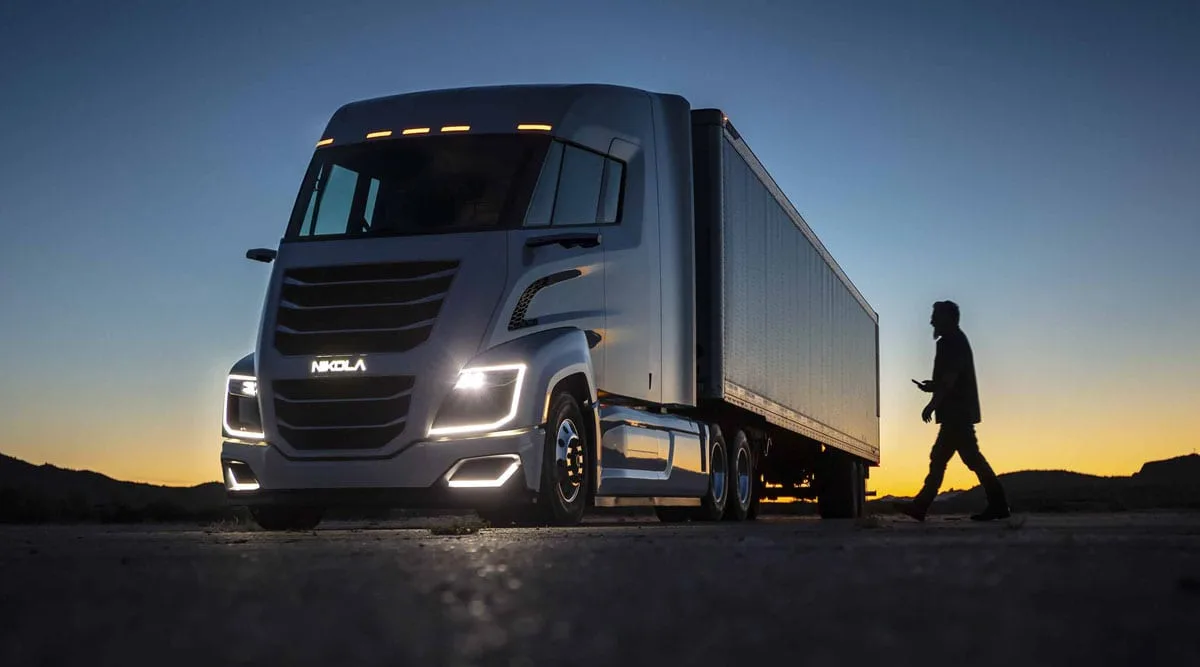
There are two ways to build a heavy truck with no tailpipe: store electricity in a battery, or make electricity on board from hydrogen. Both are electric drivetrains. Both produce zero exhaust emissions. But they differ sharply in cost, infrastructure, weight and readiness, and those differences decide which one, if either, belongs in your fleet.
ZEV Help is technology-neutral. We don’t sell trucks, chargers or hydrogen. This comparison lays out where each technology stands in 2026 so you can match it to your routes.
How Each Technology Works
Battery-electric trucks (BEVs) carry a large lithium-ion battery pack, often 400 to 600+ kWh on a Class 8 tractor, that powers one or more electric motors. You recharge from the grid, usually at your depot.
Hydrogen fuel cell electric trucks (FCEVs) carry compressed hydrogen in high-pressure tanks. A fuel cell stack combines that hydrogen with oxygen from the air to generate electricity, which drives electric motors. A smaller battery handles power peaks and captures regenerative braking. The only exhaust is water vapor.
The key difference is energy storage. Batteries store electricity directly. Fuel cell trucks store hydrogen and convert it to electricity on the move. That one design choice drives almost every trade-off below.
Side-by-Side Comparison
| Factor | Battery-Electric | Hydrogen Fuel Cell |
|---|---|---|
| Energy efficiency (energy source to wheels) | High: most grid electricity reaches the wheels | Lower: energy is lost making, compressing, transporting and converting hydrogen |
| Advertised Class 8 range | Typically 150–300 miles; select models up to ~500 | Many programs target 300–500+ miles |
| Refueling/recharging time | 1–3+ hours on DC fast charging; overnight at depot; MCS aims for ~30–45 minutes | Roughly 15–30 minutes when a heavy-duty station is working |
| Energy cost per mile | Often lower than diesel with depot charging | Currently higher than diesel in most markets |
| Infrastructure | Depot charging buildable now; public truck charging limited | Very few heavy-duty stations, mostly in California |
| Vehicle weight | Heavier than diesel due to battery | Closer to diesel; tanks and fuel cell add weight but less than a large battery |
| Models in production | Multiple models from major OEMs | Limited production and pilots |
| Maintenance | Fewer moving parts; no oil or aftertreatment | Fewer moving parts than diesel, but fuel cell stack, tanks and hydrogen systems need specialized service |
Where Battery-Electric Leads
Efficiency and energy cost
Battery-electric trucks are the most energy-efficient way to move freight without a tailpipe. Most of the electricity that leaves the charger ends up turning the wheels. Hydrogen loses energy at each step: producing it (often through electrolysis or natural gas reforming), compressing or liquefying it, trucking it to a station and converting it back to electricity in the fuel cell. Industry analyses commonly find a fuel cell truck needs roughly two to three times as much primary energy per mile as a battery-electric truck when hydrogen is made from electricity.
That efficiency gap shows up in fuel cost. Fleets with depot charging on a good commercial rate can often beat diesel on energy cost per mile. Retail hydrogen prices, by contrast, have been far above the level needed to compete with diesel.
Infrastructure you control
A fleet can install chargers at its own yard. Getting enough utility power can take one to three years, but once it’s there, you control your fuel supply and price. You can’t easily build a hydrogen station yourself, and the public heavy-duty network remains very thin.
Market maturity
Major manufacturers, including Freightliner, Volvo, Mack, Peterbilt, Kenworth and Tesla, offer battery-electric Class 8 models, and medium-duty options are wider still. Dealer service, parts and technician training are more developed for BEVs than for fuel cell trucks.
Where Hydrogen Has Advantages
Weight and payload
Batteries are heavy. A Class 8 battery-electric tractor can weigh several thousand pounds more than a comparable diesel, which can cut payload on heavy loads (see How Much Does an Electric Semi-Truck Weigh?). Hydrogen tanks and fuel cells add weight too, but usually less for the same range.
Range and refueling time
For long-haul routes, a fuel cell truck can in principle refuel in minutes and run long distances, closer to the diesel experience. That’s the core of hydrogen’s appeal for over-the-road freight, where hours spent charging cost money.
Grid independence at the site
Hydrogen stations don’t require the same multi-megawatt grid connection at every truck stop that high-power charging does, although producing hydrogen by electrolysis still requires large amounts of electricity somewhere.
The Reality Check on Hydrogen in 2026
Hydrogen’s on-paper advantages have been hard to deliver commercially:
- Business failures. Nikola, the best-known U.S. fuel cell truck startup, filed for Chapter 11 bankruptcy in February 2025. Hyzon Motors shut down operations the same month.
- Station scarcity and reliability. Heavy-duty stations are rare and concentrated in California, and supply outages have been a recurring problem.
- Fuel price. Retail hydrogen has cost far more per mile than diesel.
- Policy shifts. In 2025, federal funding for several regional hydrogen hubs was cut, and the federal clean vehicle and fueling tax credits ended (see our 2026 Incentives page).
Established players haven’t given up. Hyundai continues deploying its XCIENT Fuel Cell trucks, Toyota is developing fuel cell systems for heavy trucks, Honda is developing fuel cell modules for commercial use, and Daimler Truck continues its GenH2 program. Most are targeting larger-scale availability later in the decade or beyond. For more, read our Hydrogen Trucks Reality Check.
Which Technology Fits Which Operation?
| Operation type | Best current fit | Why |
|---|---|---|
| Drayage (port to nearby warehouses) | Battery-electric | Short, predictable routes; depot or near-port charging |
| Regional distribution / return-to-base | Battery-electric | Daily miles fit within range; overnight charging |
| Local pickup and delivery, step vans | Battery-electric | Low daily miles, frequent stops benefit from regen braking |
| Refuse and vocational | Battery-electric | Stop-and-go duty cycle; returns to yard nightly |
| Heavy-haul, near max weight | Case by case | Battery weight can reduce payload; diesel or bridge tech may still fit better today |
| Long-haul over-the-road | Neither is mature yet | Long-range BEVs and megawatt charging are emerging; hydrogen depends on stations and fuel cost |
Should You Wait for Hydrogen?
For most fleets, the practical question isn’t “electric or hydrogen” but “electric now, or diesel (or a bridge technology) until conditions change.” If your routes fit battery-electric range and you can get power to your depot, battery-electric is the zero-emission option you can deploy today. If your operation needs long range, fast turnarounds and maximum payload, it may be reasonable to keep watching both technologies, along with megawatt charging, which aims to close the refueling-time gap for batteries (see What Is Megawatt Charging?).
Avoid making a decision based on promises. Ask any vendor for real-world performance data from fleets running duty cycles like yours.
The Bottom Line
Battery-electric trucks are more efficient, cheaper to fuel with depot charging and far more available today, which makes them the leading zero-emission choice for return-to-base work. Hydrogen fuel cell trucks offer lighter weight, longer range and faster refueling on paper, but high fuel costs, scarce stations and industry setbacks keep them in limited use for now. Match the technology to your routes, not the headlines.
Frequently Asked Questions
Is a hydrogen truck an electric truck?
Yes. A fuel cell truck uses electric motors. It generates its electricity on board from hydrogen instead of storing it all in a large battery.
Which is cheaper to operate, electric or hydrogen?
In most U.S. markets today, battery-electric trucks with depot charging have a much lower energy cost per mile than hydrogen fuel cell trucks.
Why did hydrogen truck companies fail?
Several factors combined: high hydrogen costs, too few reliable stations, high vehicle costs, slow sales and difficulty raising capital. Nikola and Hyzon both ceased normal operations in early 2025.
Will hydrogen trucks replace diesel for long-haul?
It’s too early to say. Hydrogen remains a candidate for long-haul, but so do long-range battery trucks paired with megawatt charging. Watch real-world costs, not announcements.
Sources and Further Reading
- ZEV Help, Hydrogen Trucks Reality Check and How Hydrogen Trucks Work
- U.S. Department of Energy, Alternative Fuels Data Center station locator: afdc.energy.gov/stations
- International Council on Clean Transportation (ICCT), heavy-duty zero-emission vehicle research: theicct.org
- NACFE, Run on Less – Electric DEPOT: nacfe.org
ZEVhelp.com is an independent, technology-neutral educational resource. This article is for general information only and is not legal, tax or financial advice. Regulations and incentives change often; for official rules, refer to EPA.gov, ARB.CA.gov and your state agencies. Last reviewed October 2026.

Comments are closed