


Subtotal $0.00
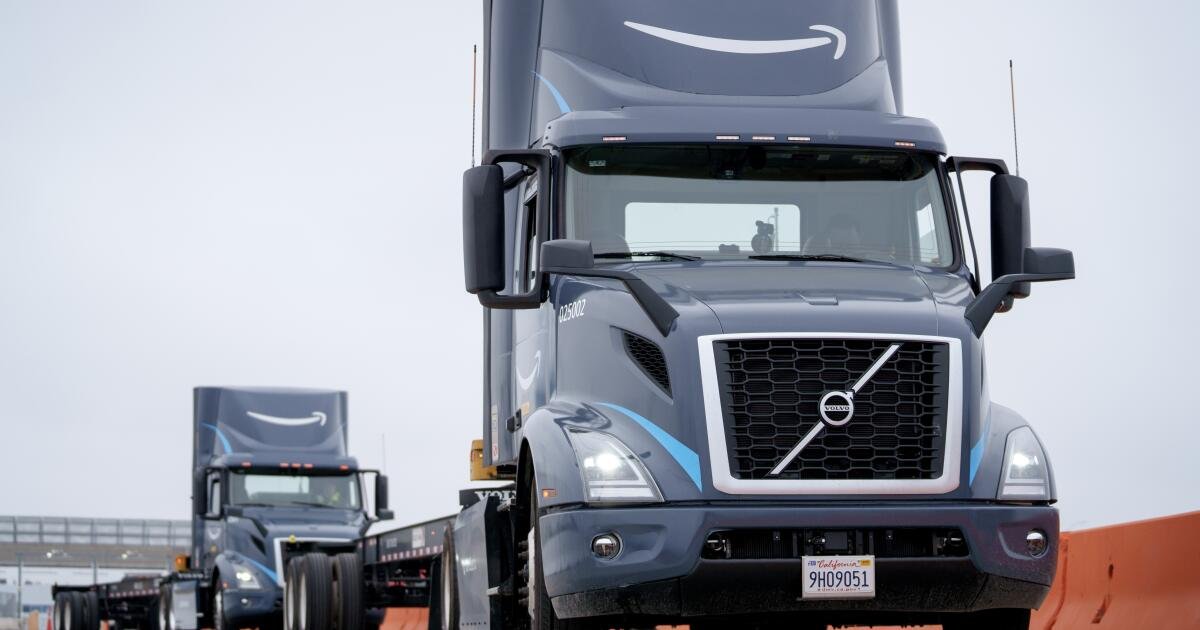
Short answer (as of October 2026): most private trucking companies in the United States are not currently required to buy electric or other zero-emission trucks. The most aggressive fleet-purchase rule, California’s Advanced Clean Fleets (ACF), is largely not being enforced for private fleets. The main remaining requirements apply to California state and local government fleets, and rules aimed at truck manufacturers are tied up in court.
That said, the picture is more complicated than “no,” and it is changing quickly. This article explains which rules exist, who they apply to and what could still affect your fleet.
This article is for general education, not legal advice. Confirm current requirements with CARB, EPA or your state agency.
Two Kinds of Rules: Sales Mandates vs. Fleet Mandates
Much of the confusion comes from mixing up two different types of regulation:
| Type | Who it regulates | Example | What it requires |
|---|---|---|---|
| Manufacturer sales mandate | Truck makers | CARB Advanced Clean Trucks (ACT) | A rising percentage of trucks sold must be zero-emission |
| Fleet purchase mandate | Fleet owners | CARB Advanced Clean Fleets (ACF) | Fleets must buy or operate zero-emission trucks on a schedule |
A sales mandate does not directly require any fleet to buy anything. It requires manufacturers to sell zero-emission trucks, which can affect what dealers push, what diesel trucks cost and what’s available. A fleet mandate is the one that directly reaches your purchasing decisions.
Advanced Clean Fleets (ACF): Mostly Off the Table for Private Fleets
California adopted ACF in 2023. It would have required:
- Drayage trucks serving California ports and railyards to transition to zero-emission.
- High-priority fleets (large fleets, including those with $50 million or more in revenue or 50 or more trucks) and federal fleets to phase zero-emission trucks into their operations.
- State and local government fleets to buy increasing shares of zero-emission trucks.
- Manufacturers to sell only zero-emission medium- and heavy-duty trucks in California starting with the 2036 model year.
In January 2025, California withdrew its request for the federal waiver needed to enforce most of ACF. CARB states it is not enforcing the parts of ACF that require a federal waiver or authorization, including the high-priority and drayage fleet requirements.
What still applies: The state and local government fleet requirements remain in effect because they don’t need a federal waiver. If you manage a California city, county, special district or state agency fleet, ACF purchase requirements still apply to you.
Advanced Clean Trucks (ACT): A Manufacturer Rule in Legal Limbo
ACT requires manufacturers to sell an increasing share of zero-emission trucks in California, building toward 55% of Class 2b–3 sales, 75% of Class 4–8 straight truck sales and 40% of tractor sales by 2035. See our detailed explainer, Understanding CARB’s Advanced Clean Trucks Regulation.
In June 2025, Congress used the Congressional Review Act (CRA) to nullify the EPA waivers that allowed California to enforce ACT, the Omnibus Low NOx rule and Advanced Clean Cars II. The President signed the resolutions that month. California sued, arguing that waivers are not “rules” subject to the CRA. As of October 2026, manufacturers are not treating the ACT sales requirements as enforceable while the courts decide.
Several other states adopted ACT under Clean Air Act Section 177, including Oregon, Washington, New York, New Jersey, Massachusetts and Vermont. Because those states relied on California’s waiver, the 2025 congressional action affects them too, and several have delayed or paused enforcement.
What this means for fleets: ACT never required fleets to buy zero-emission trucks. Its effect on you was indirect: availability, pricing and dealer incentives.
Federal EPA Rules
Greenhouse Gas Phase 3
EPA finalized its Phase 3 greenhouse gas standards for heavy-duty vehicles in March 2024, with stricter CO₂ limits phasing in from model year 2027 through 2032. It was a manufacturer rule and did not require fleets to buy zero-emission trucks. Manufacturers could meet it with any mix of technologies. In February 2026, EPA finalized a rule rescinding the 2009 greenhouse gas endangerment finding and the motor vehicle greenhouse gas standards that rest on it, including Phase 3. The rescission faces legal challenges that could take years to resolve. See our EPA GHG Phase III page.
2027 Heavy-Duty NOx Rule
EPA’s rule tightening NOx limits for model year 2027 diesel engines is a pollution standard, not a zero-emission requirement. EPA announced in 2025 that it would reconsider the rule, so watch for revised compliance dates. This matters for your diesel purchasing plans and pricing.
Rules That Can Still Push Fleets Toward Zero-Emission
Even without a direct purchase mandate, several forces can effectively require or reward zero-emission trucks:
- Customer contracts. Large shippers and retailers increasingly set emissions targets for their carriers and may prefer or require zero-emission service on certain lanes.
- Ports and terminals. Ports, particularly in California, use fees, access rules and incentives that favor zero-emission drayage trucks. The Ports of Los Angeles and Long Beach have a goal of a zero-emission drayage fleet by 2035.
- Local and regional rules. Some air districts regulate warehouses and distribution centers based on truck trips, with zero-emission trucks as one compliance option. In Southern California, the South Coast AQMD’s warehouse indirect source rule is an example.
- Government fleet rules. California public fleets remain under ACF, and some other states and cities set zero-emission goals for their own fleets.
- Clean Truck Partnership. In 2023, CARB and major truck makers signed an agreement in which manufacturers committed to follow California standards in exchange for lead time. After the waivers were revoked, manufacturers and CARB went to court over whether the agreement still binds. The outcome could affect what trucks are offered in California.
What Fleets Should Do Now
- Know your category. Are you a California public fleet? A drayage operator? A large private fleet? Your obligations differ.
- Keep reporting where required. Some reporting and registration requirements (such as CARB’s drayage truck registry and ACT’s large-entity reporting) may still apply. Check with CARB before assuming you’re exempt.
- Watch the courts. The CRA litigation, the Clean Truck Partnership dispute and court challenges to EPA’s endangerment finding rescission could each change the landscape.
- Plan, don’t panic. Trucks you buy now will run for a decade or more. Evaluate zero-emission trucks on economics and customer demand where they fit, and avoid both rushing in and writing them off.
- Use our tracker. Bookmark the ZEV Help 2026 Regulation Tracker, which we update as rules change.
The Bottom Line
For most private fleets, there is no current legal requirement to buy electric trucks. California’s fleet-purchase rule for private, high-priority and drayage fleets is not being enforced, and manufacturer sales mandates are on hold pending litigation. California state and local government fleets are the main exception. But customer requirements, port policies and local rules still create real pressure in some markets, and the legal picture could shift again.
Frequently Asked Questions
Is the Advanced Clean Fleets rule dead?
Not entirely. CARB withdrew its federal waiver request and isn’t enforcing the private high-priority and drayage fleet requirements, but the state and local government fleet requirements remain in effect.
Do I have to buy an electric truck to serve California ports?
Not under ACF as of October 2026, since CARB isn’t enforcing the drayage requirements. Individual ports and terminals may have their own fees, programs and goals, so check with each one.
Can California still require zero-emission truck sales?
California is challenging Congress’s 2025 waiver revocation in court. Until that’s resolved, manufacturers are not treating ACT sales requirements as enforceable.
Does the federal government require electric trucks?
No. EPA’s Phase 3 greenhouse gas standards never required any specific technology, and EPA rescinded them in February 2026.
Sources and Further Reading
- California Air Resources Board, Advanced Clean Fleets: ww2.arb.ca.gov/our-work/programs/advanced-clean-fleets
- California Air Resources Board, Advanced Clean Trucks: ww2.arb.ca.gov/our-work/programs/advanced-clean-trucks
- U.S. EPA, Heavy-duty vehicle regulations: www.epa.gov/regulations-emissions-vehicles-and-engines
- ZEV Help, 2026 Regulation Tracker
ZEVhelp.com is an independent, technology-neutral educational resource. This article is for general information only and is not legal, tax or financial advice. Regulations and incentives change often; for official rules, refer to EPA.gov, ARB.CA.gov and your state agencies. Last reviewed October 2026.

Comments are closed