


Subtotal $0.00
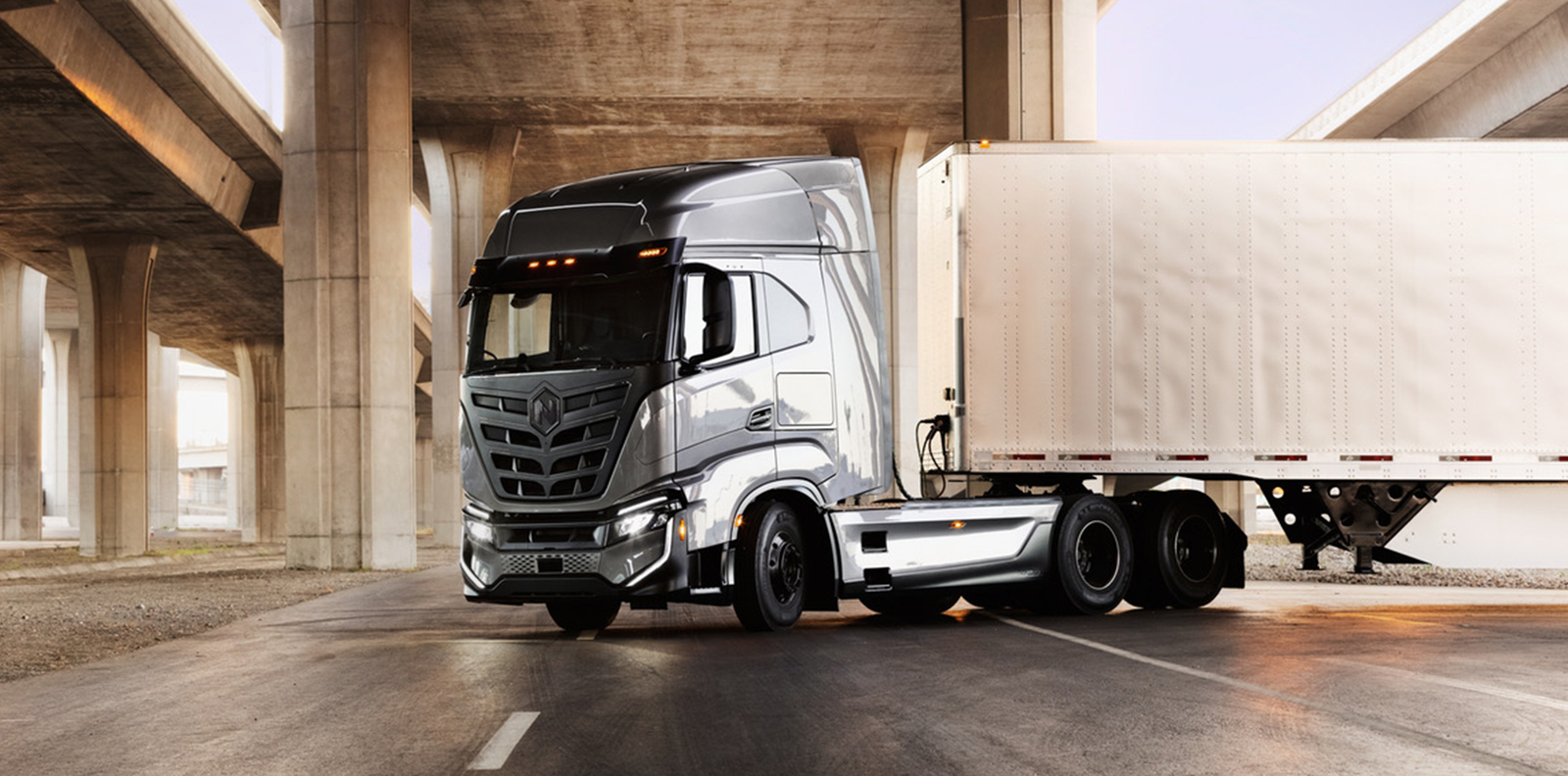
Electrifying a fleet isn’t like switching truck brands. It changes how you fuel, where you park, how you plan routes, who services your trucks and how you budget. Fleets that succeed with electric trucks usually start small, plan around the power supply and match trucks to the routes where they make sense. Fleets that struggle often buy trucks first and figure out charging later.
This guide covers the ten things every trucking company should understand before adding battery-electric trucks, in the order you’ll likely face them.
1. Start With Your Routes, Not the Truck
The best electric truck is the one that fits your duty cycle. Before talking to dealers, analyze several months of telematics data for each route you’re considering:
- Daily miles, especially the longest days, not the average
- Dwell time at the depot and at stops (every long stop is a charging opportunity)
- Gross weights and how often loads approach the legal limit
- Terrain, speeds and climate, including your coldest and hottest months
- Shift patterns: single shift, double shift or team operations
The strongest early candidates are predictable, return-to-base operations: drayage, regional distribution, local pickup and delivery, and refuse collection. See How Far Can an Electric Semi-Truck Really Travel? for how to estimate range.
2. Power Is the Long Pole in the Tent
The single most common cause of delay is getting enough electricity to the depot. Bringing new power to a site routinely takes one to three years, and large depots may need substation upgrades. In NACFE’s Run on Less – Electric DEPOT study, energizing infrastructure took 9 to 36 months across the 10 participating depots.
What to do:
- Call your utility first, before ordering trucks. Ask about available capacity, timelines, fleet electrification programs and make-ready funding.
- Estimate your load. A rough rule: number of trucks × daily kWh per truck ÷ available charging hours. Our Depot Charging Calculator can help.
- Think long term. Size conduit, transformers and switchgear for your future fleet, not just the first few trucks.
- Consider interim options such as portable or temporary charging, charging-as-a-service or shared hubs if your permanent power is years away.
3. Plan Charging Around Your Operation
Most electric trucks charge at the depot:
- AC Level 2 (up to ~19 kW) for light- and medium-duty trucks with long overnight dwell
- DC fast charging (~50–400 kW) for heavy-duty depots
- Megawatt Charging System (MCS, 1 MW+) emerging for long routes (see What Is Megawatt Charging?)
Decide how many chargers you need, at what power and whether trucks can share chargers across shifts. Use managed charging software to spread charging across the night and control demand charges. Don’t count on public charging as your primary plan; see Can Electric Semi-Trucks Use Public Charging Stations?.
4. Understand the Full Cost Picture
An electric truck costs more up front and can cost less to operate. The total depends on:
- Purchase price, plus the 12% federal excise tax
- Chargers, installation and electrical upgrades
- Electricity rates and demand charges (your utility rate structure matters as much as the per-kWh price)
- Maintenance, tires and insurance
- Resale value, which is still uncertain
Run the numbers using real quotes, your actual utility tariff and your actual routes. Our TCO Calculator and Diesel vs. Electric Trucks: Total Cost of Ownership show how the assumptions change the result.
5. Line Up Incentives, and Know Their Timing
Federal support shrank in 2025: the 45W Commercial Clean Vehicle Credit is not available for vehicles acquired after September 30, 2025, and the 30C charger credit is not available for property placed in service after June 30, 2026. State, regional and utility programs remain important:
- California HVIP, New York NYTVIP, New Jersey NJ ZIP and Massachusetts MOR-EV Trucks vouchers and rebates
- Air district and state grants, including VW settlement funds
- EPA DERA and CMAQ funds, often through state agencies
- Utility make-ready programs and fleet EV rates
Many programs open and close in funding rounds and have rules about when you can order. Apply before you buy; some programs disqualify vehicles purchased before approval. See our 2026 Incentives page.
6. Know Which Rules Actually Apply to You
As of October 2026, most private fleets are not required to buy zero-emission trucks. California’s Advanced Clean Fleets rule isn’t being enforced for private high-priority and drayage fleets, though California state and local government fleets still face requirements. Manufacturer rules like Advanced Clean Trucks are in litigation. But customer contracts, port policies and local rules can still create pressure. Read Are Trucking Companies Required to Purchase Electric Trucks? and follow our 2026 Regulation Tracker.
7. Check Weight and Payload
Battery-electric tractors weigh several thousand pounds more than diesels. Federal law allows up to 2,000 extra pounds on the Interstate system (to 82,000 pounds), but state roads vary. Review your load data: if your freight cubes out before it weighs out, weight may not matter. If it often weighs out, assign electric trucks to lighter lanes. See How Much Does an Electric Semi-Truck Weigh?.
8. Prepare Your Shop and Your Service Network
Electric trucks need less routine maintenance (no oil changes, no aftertreatment, less brake wear) but different skills:
- High-voltage safety training, lockout/tagout procedures and personal protective equipment for technicians
- Possibly dedicated service bays, insulated tools and updated diagnostic software
- Confirmed dealer service coverage, parts availability and lead times in your area
- A clear understanding of the battery warranty: years, miles, guaranteed capacity and conditions
Ask about the manufacturer’s financial stability, too. Several electric and hydrogen truck makers have restructured or closed since 2024, leaving owners scrambling for parts and service.
9. Bring Your Drivers Along
Drivers make or break electric truck deployments. Many drivers like the quiet cab, smooth acceleration and lack of vibration. But they need training on:
- Regenerative braking to extend range
- Pre-conditioning the cab and battery while plugged in
- Charging procedures, apps and what to do if a charger fails
- Range awareness and route planning
Involve experienced drivers early, gather their feedback during the pilot and share results with the rest of the team.
10. Pilot, Measure, Then Scale
Start with a small pilot, one to five trucks on your best-fit routes, and measure everything:
- Real energy use (kWh per mile) by route and season
- Charging costs, including demand charges
- Uptime, maintenance events and service response
- Driver feedback
- Customer response
Use the results to refine your TCO model, your charging plan and your route assignments before you scale up. Many fleets find that a mixed fleet, with electric trucks on the routes that fit and diesel or bridge technologies elsewhere, is the right answer for years to come.
A Quick Pre-Electrification Checklist
| Step | Question to answer | Done? |
|---|---|---|
| Routes | Which routes fit current electric range in worst-case conditions? | ☐ |
| Power | Has the utility confirmed capacity and a timeline? | ☐ |
| Charging | How many chargers, at what power, and who will install them? | ☐ |
| Costs | Do the numbers work with real quotes and utility rates? | ☐ |
| Incentives | Have you applied before ordering? | ☐ |
| Rules | Which regulations and customer requirements apply to you? | ☐ |
| Weight | What share of loads approach the weight limit? | ☐ |
| Service | Is dealer service, parts and technician training in place? | ☐ |
| Drivers | Have drivers been trained and involved? | ☐ |
| Pilot | What will you measure, and what results justify scaling? | ☐ |
The Bottom Line
Successful fleet electrification starts with data and power, not with the truck. Analyze your routes, talk to your utility early, run honest cost numbers, secure incentives before you buy, prepare your shop and drivers, and prove the concept with a pilot before scaling. Electric trucks won’t fit every route today, but on the right routes, with the right planning, they can work well.
Frequently Asked Questions
What is the first step in fleet electrification?
Analyze your routes and duty cycles, then contact your utility about power. Power availability often sets the timeline.
How long does it take to electrify a truck depot?
It varies widely, but new utility service routinely takes one to three years. NACFE found energizing times of 9 to 36 months across 10 depots.
Should I electrify my whole fleet at once?
Rarely. Most fleets start with a small pilot on best-fit routes, measure results and scale gradually.
Can small fleets and owner-operators electrify?
Yes, though it can be harder without capital or depot space. Charging-as-a-service, shared hubs, leasing and enhanced small-fleet incentives (such as California’s HVIP small-fleet provisions) can help.
Sources and Further Reading
- NACFE, Run on Less – Electric DEPOT: nacfe.org/research/run-on-less-electric-depot
- ZEV Help, Operating ZEV Trucks, Fleet Charging Guide and 2026 Incentives
- U.S. Department of Energy, Alternative Fuels Data Center: afdc.energy.gov
ZEVhelp.com is an independent, technology-neutral educational resource. This article is for general information only and is not legal, tax or financial advice. Regulations and incentives change often; for official rules, refer to EPA.gov, ARB.CA.gov and your state agencies. Last reviewed October 2026.

Comments are closed