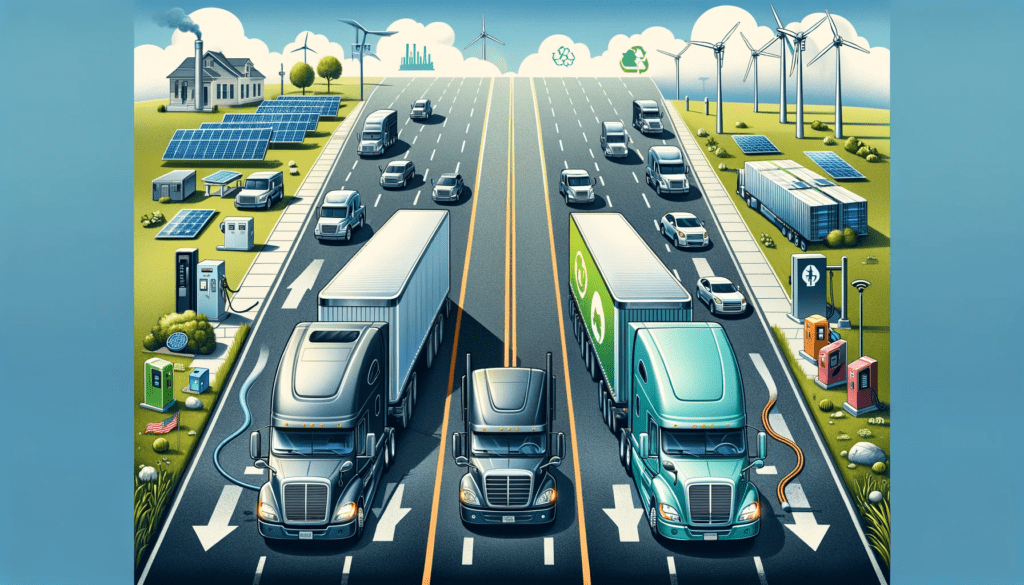

The transition to zero-emission commercial vehicles is critical to the United States’ broader environmental strategy. However, this shift is not without its challenges, particularly when comparing the distinct operational demands and infrastructural needs of regional and long-haul trucking. Understanding these hurdles is essential for developing practical solutions that allow a smoother transition to a greener future.

Regional trucking, characterized by shorter trips within a specific geographic area, faces unique decarbonization challenges primarily related to charging infrastructure and vehicle range. While electric vehicles (EVs) are generally well-suited for short-haul trips due to their range limitations, the current density and reliability of charging stations can be problematic. Regional fleets often operate on tight schedules, and any delay caused by insufficient charging infrastructure can lead to significant disruptions.
The advantage of regional trucking lies in the predictability of routes, which allows for the strategic placement of charging stations. Moreover, the frequent return of vehicles to a central hub supports the feasibility of overnight charging solutions. Investments in depot charging infrastructure and the integration of route planning software could mitigate many of the current challenges, making regional operations an ideal starting point for transitioning to EVs.
Long-haul trucking presents different challenges, predominantly related to the extensive distances covered and the scarcity of charging or refueling points for alternative fuel vehicles across remote areas. The energy density of batteries currently lags behind that of diesel, resulting in EVs that either have insufficient range for long-haul routes or require such large batteries that payload capacity is compromised. Additionally, the longer charging times for batteries than traditional fueling times for diesel engines pose logistical challenges in maintaining tight delivery schedules.
Hydrogen fuel cell technology development presents a promising solution for long-haul trucking. Hydrogen fuel cells can provide an excellent range and faster refueling times than diesel. Moreover, the push to build hydrogen fuel infrastructure, particularly along major trucking corridors, could alleviate some current limitations. Public-private partnerships and federal incentives to establish hydrogen highways support this transition.
Governmental policies, including incentives for zero-emission vehicles and penalties for high-emissions vehicles, heavily influence regional and long-haul decarbonization efforts. Financial incentives such as tax breaks, grants, and subsidies can significantly reduce the initial higher costs associated with zero-emission vehicles, making them more attractive to fleet operators.
The path to decarbonizing commercial trucking in the USA involves tackling distinct challenges faced by regional and long-haul operations. While regional trucking can leverage its shorter routes and central hubs for quicker electrification, long-haul trucking may benefit more from hydrogen fuel cell technology advancements and the corresponding infrastructure development. A nuanced approach, recognizing each sector’s specific needs and challenges, is essential for effective policy and technological development. By addressing these headwinds directly, the industry can pave the way for a sustainable and economically viable future in commercial transportation.